Emotions and Expectations: When the Betting Market Moves with the Fans

Emotions and Expectations: When the Betting Market Moves with the Fans
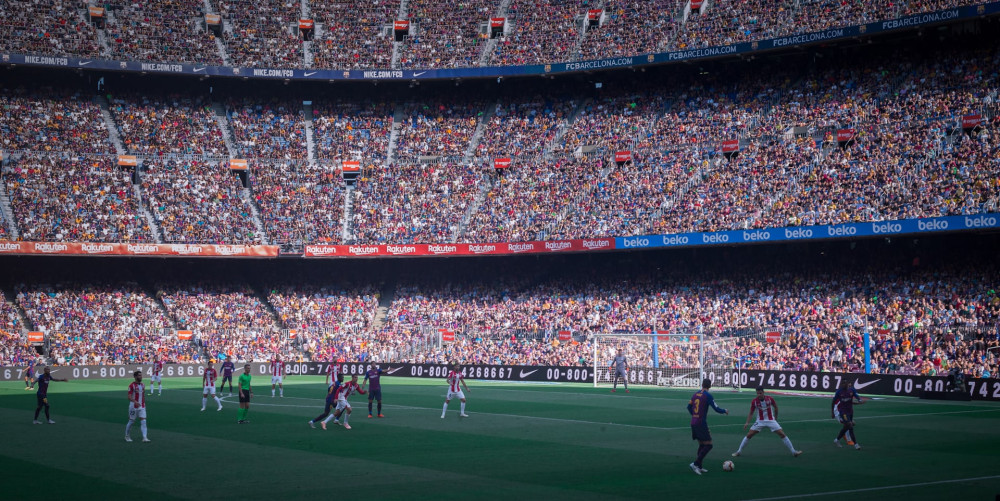
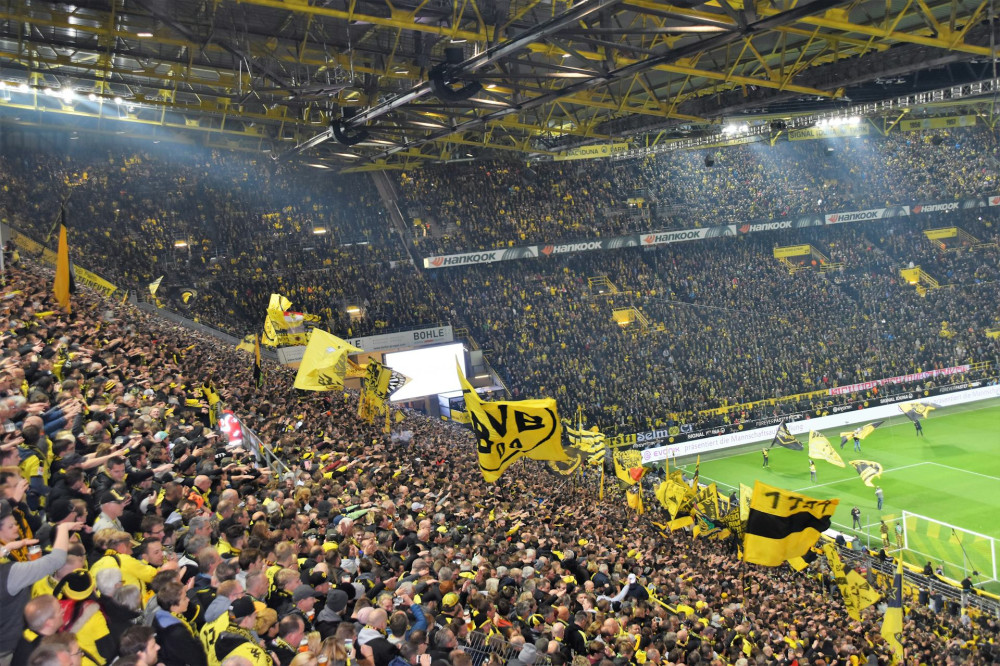
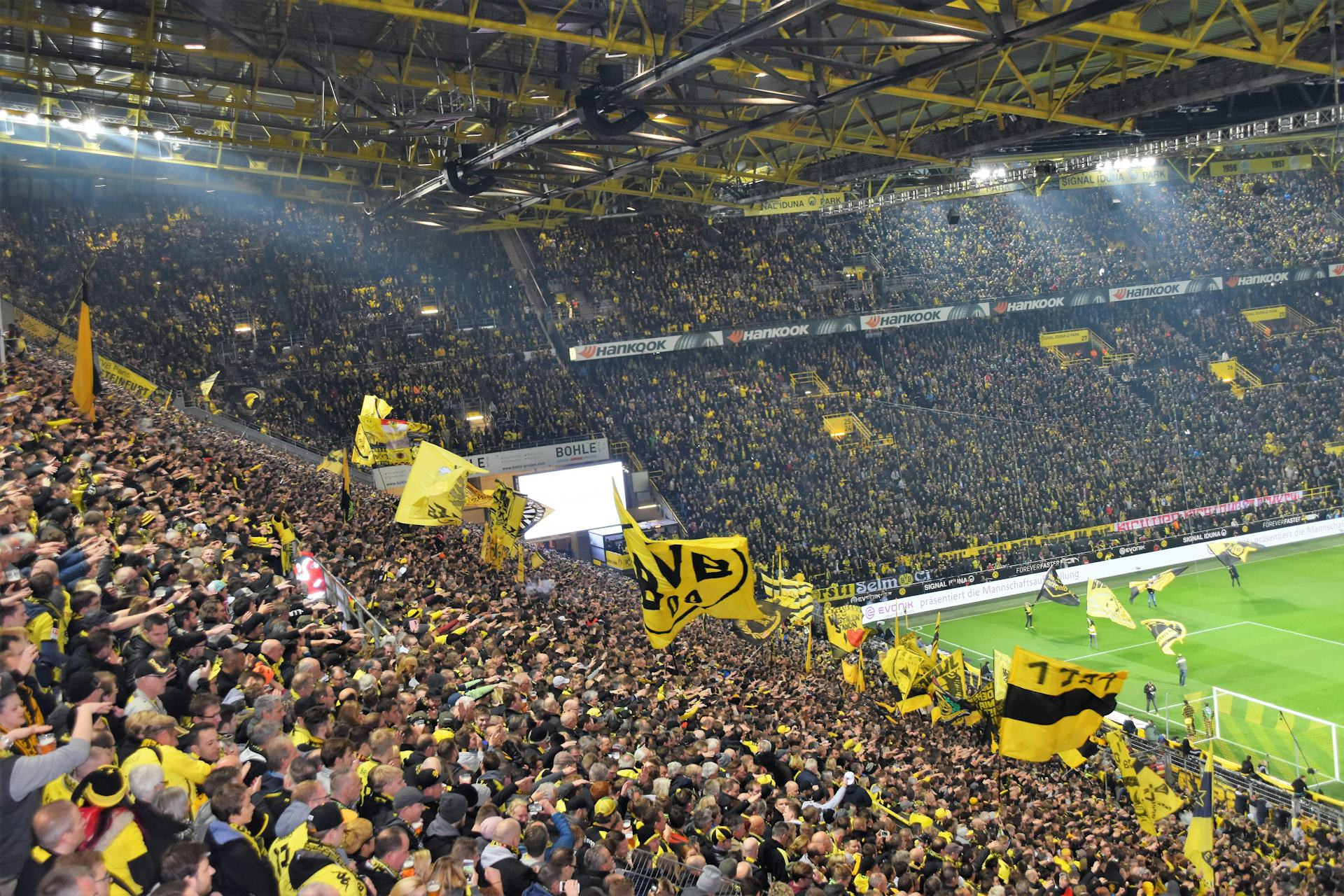
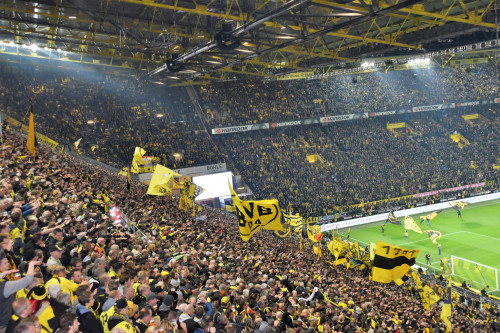
When the crowd roars and the game heats up, it’s not just the players who feel the pressure. The betting market moves too—often in rhythm with the emotions and expectations of the fans. In an era dominated by data, algorithms, and predictive models, human psychology still plays a surprisingly powerful role. For bookmakers, it’s not only about numbers—it’s about understanding people.
When the Heart Rules the Hand
Sports fans are passionate. They believe in their teams even when the odds are stacked against them. That passion often spills over into betting behavior. When a beloved team like the Dallas Cowboys, the New York Yankees, or the Los Angeles Lakers takes the field, wagers on their victory tend to surge—regardless of recent performance or injuries.
Bookmakers know this. They adjust the odds not only based on probabilities but also on how they expect fans to bet. If a flood of money comes in on a popular favorite, the odds may drop, even if the team’s actual chances haven’t changed. It’s a classic example of how emotion can shape the market.
The Market as a Mirror of Mood
The betting market acts as a real-time reflection of public sentiment. When a team hires a new coach, signs a star player, or goes on a winning streak, optimism among fans can quickly shift the odds. The same happens when controversy or poor form hits—a wave of pessimism can move the lines almost instantly.
This effect becomes even more pronounced during major events like the Super Bowl, March Madness, or the World Cup. National pride and collective excitement can drive entire fan bases to bet on their own teams. The resulting market movements often have more to do with emotion than with objective analysis.
Data vs. Intuition
In recent years, the betting industry has become increasingly data-driven. Sophisticated algorithms analyze everything from player stats to weather conditions, and professional bettors hunt for value where the public lets emotion cloud judgment. Yet even the most advanced models can’t fully eliminate the human factor.
Every algorithm must account for how the market itself reacts. When thousands of fans suddenly bet on a particular outcome, the odds shift—and that shift feeds back into the models. The market is a living system, constantly balancing rational and irrational forces.
The Fans’ Influence – and the Bookmaker’s Balancing Act
For bookmakers, the challenge lies in managing risk while keeping odds attractive. They must anticipate not only the likely outcome of a game but also how people will bet on it. A sudden surge of fan-driven wagers can create temporary imbalances—opportunities that sharp bettors look to exploit.
When emotion drives the majority, the patient and analytical bettor can find value in the overlooked corners of the market. It’s a delicate dance between passion and precision, between the crowd’s excitement and the bookmaker’s caution.
When Betting Becomes Part of the Experience
For many fans, betting isn’t just about profit—it’s about participation. A small wager can make a game more thrilling, turning every play into a personal moment of suspense. It’s part of modern sports culture: a blend of hope, loyalty, and adrenaline.
But that emotional connection can also be risky. When excitement turns into overconfidence, it’s easy to lose perspective. That’s why experts emphasize responsible gambling—knowing your limits and remembering that betting should enhance the enjoyment of the game, not replace it.
Læs også:


A Market in Motion – With People at Its Core
Even as technology advances and data becomes more precise, the betting market will always be shaped by human emotion. That’s what makes it so fascinating—and unpredictable. Because in the end, it’s not just about statistics or probabilities. It’s about the energy that arises when millions of fans believe, hope, and cheer for their teams.
When the fans move, the market moves with them. And that’s exactly what keeps sports—and betting—so endlessly captivating.
Læs også: