Rules, Referees, and Points: How Changes Affect Over/Under Betting in Football

Rules, Referees, and Points: How Changes Affect Over/Under Betting in Football
Over/under betting—often called “totals”—is one of the most popular ways to wager on football in the United States. Instead of picking which team will win, bettors predict whether the combined score will be higher or lower than the line set by oddsmakers. But in a sport where rules, officiating styles, and scoring trends constantly evolve, even small changes can have a big impact on how games unfold—and on how totals markets move.
When Rule Changes Shift the Game’s Rhythm
The NFL and college football regularly tweak their rules to improve player safety, enhance entertainment value, or speed up the game. These adjustments often influence scoring patterns.
Take, for example, the league’s ongoing emphasis on protecting quarterbacks and defenseless receivers. Stricter penalties for roughing the passer or hits to the head have made defenses more cautious, often leading to more passing yards and higher scores. On the other hand, recent college football rule changes—such as keeping the clock running after first downs outside the final two minutes—have shortened games and reduced the number of offensive possessions, which can push totals lower.
For anyone betting on over/unders, understanding how new rules affect tempo and the balance between offense and defense is essential.
The Referees’ Role: Small Flags, Big Consequences
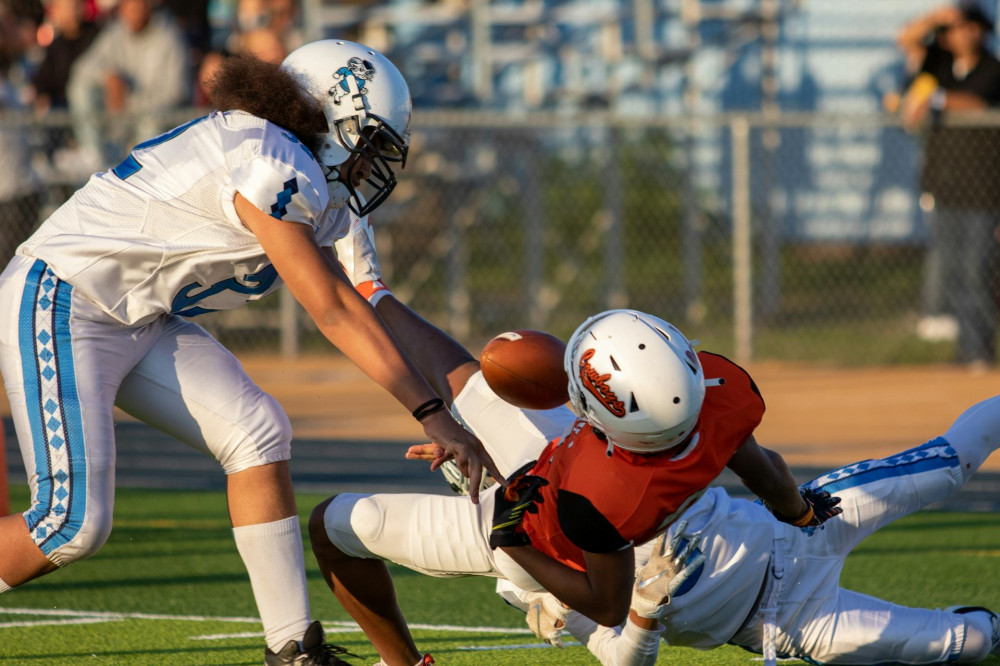
Referees have a greater influence on scoring than many fans realize. Some officiating crews are known for calling frequent penalties, especially for pass interference or holding, while others let players be more physical. Games with lots of flags tend to produce more points—both because offenses gain free yardage and because defenses play more conservatively.
Savvy bettors and bookmakers pay close attention to which crew is assigned to each game. A referee team that emphasizes quarterback protection can lead to more passing plays and higher totals. Conversely, a crew that allows physical coverage may slow down offenses and keep scores lower.
Læs også:


The Scoring System—and Why Small Tweaks Matter
While football’s scoring system has remained largely stable for decades, strategic and rule-based shifts can still affect totals. When the NFL moved extra-point attempts back to the 15-yard line in 2015, success rates dropped noticeably. That change encouraged more teams to attempt two-point conversions, adding unpredictability to final scores.
For totals bettors, that means traditional “key numbers” like 41, 44, or 47 points don’t always carry the same weight they once did. As teams adapt their scoring strategies, the distribution of final totals changes too.
Weather, Field, and Tempo: The Hidden Variables
Even without rule changes, external factors can dramatically alter scoring. Weather is one of the biggest. Wind, rain, and cold can make passing difficult, often leading to lower totals. Meanwhile, games played indoors or on fast artificial turf tend to favor offenses and higher scores.
Tempo also plays a major role. Some teams use a “no-huddle” or “up-tempo” offense to increase the number of plays per game, while others rely on a run-heavy, clock-controlling approach. When coaches adjust their philosophies, totals lines often move accordingly.
How Bettors Can Adapt
Success in over/under betting requires more than just looking at average points per game. It’s about context: What new rules are in place this season? Which referees are calling the game? How do the teams’ offensive and defensive styles match up? And what’s the weather forecast?
A smart approach is to monitor line movement in the days leading up to kickoff. If the total shifts significantly, it may signal that the market has reacted to new information—like a referee assignment, an injury, or a change in expected weather conditions.
Over/Under Betting as a Reflection of the Game’s Evolution
The totals market mirrors the evolution of football itself. When the league prioritizes offense and excitement, lines rise. When defenses catch up or rules slow the pace, they fall. For attentive bettors, these shifts create opportunities.
Understanding how rules, referees, and scoring trends interact isn’t just the key to smarter betting—it’s also a window into how America’s favorite sport continues to change.
Læs også: