Compare Runs Over Time: Discover Trends on the Same Courses

Compare Runs Over Time: Discover Trends on the Same Courses
For motorsport fans, few things are as captivating as watching how performance evolves over time. Whether it’s Formula 1, IndyCar, or NASCAR, many races take place on the same tracks year after year. That consistency offers a unique opportunity to compare results, strategies, and technological progress. By analyzing races on the same courses, you can uncover patterns that reveal how teams, drivers, and machines have developed.
Why Compare Races on the Same Tracks?
Tracks like Circuit of The Americas, Indianapolis Motor Speedway, and Daytona International Speedway have become fixtures in American motorsport. Because they remain largely unchanged from season to season, they serve as natural benchmarks for comparison. Looking at lap times, pit strategies, and weather conditions across multiple years can paint a clear picture of how performance and technology have evolved.
For instance, a half-second improvement per lap over five years might not sound like much, but it can reflect major advances in aerodynamics, engine efficiency, and tire technology. It also shows how teams adapt—some cars perform better on high-speed ovals, while others excel on technical road courses.
The Data That Makes the Difference
Comparing races over time requires more than just checking who won. It’s about diving into the details that shape each result:
- Lap times – reveal the raw speed of both car and driver.
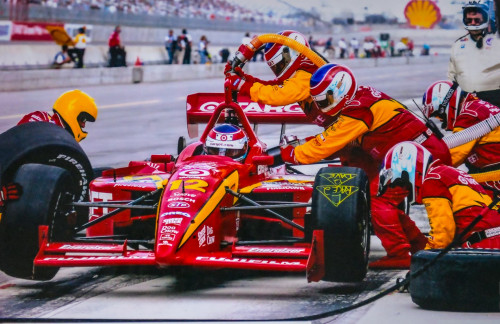
- Pit stop strategies – show how teams make tactical decisions under pressure.
- Weather conditions – influence everything from tire choice to fuel consumption.
- Caution periods and incidents – can completely change the rhythm of a race.
By collecting and analyzing this data, you can identify trends that aren’t obvious at first glance. Maybe one team consistently performs better on short tracks, while another dominates on circuits with long straights. These insights help explain why certain teams thrive in specific environments.
The Role of Technology in Performance
Motorsport is as much about innovation as it is about competition. Over time, changes in regulations, engines, and aerodynamics have had a major impact on how races unfold. Comparing results on the same track across different seasons highlights these shifts.
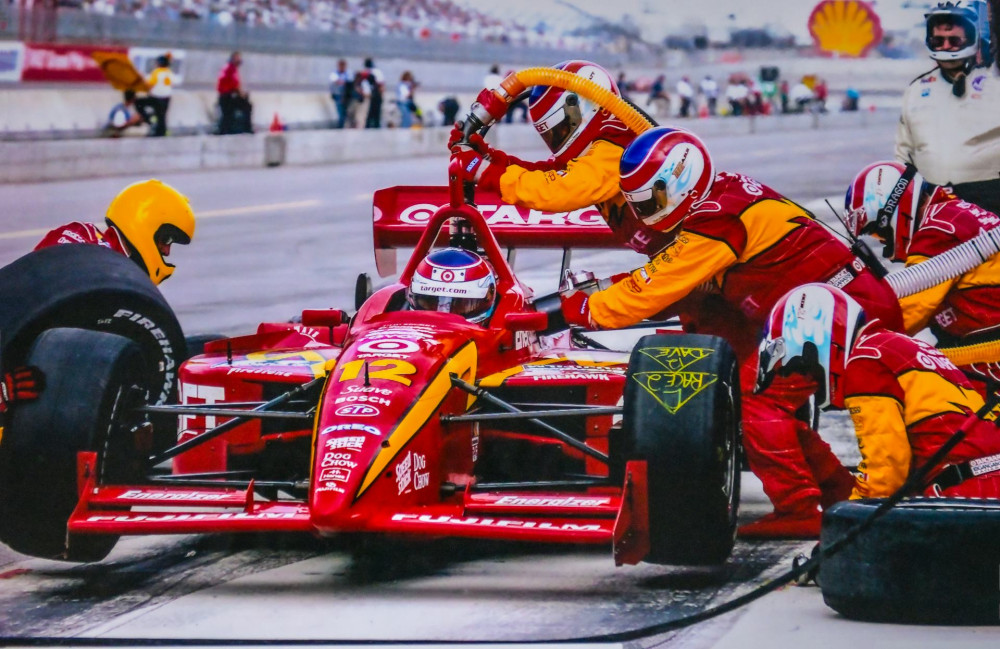
Take, for example, the introduction of hybrid power units in Formula 1 or the Next Gen car in NASCAR. Both brought new challenges—changes in weight, handling, and energy management—that initially slowed lap times. But as teams refined their setups and engineers optimized performance, speeds climbed again. These patterns tell a story of adaptation and progress, showing how technology continuously reshapes the sport.
How Fans Can Track Trends Themselves
You don’t need to be a professional analyst to explore these trends. Many websites and databases provide detailed race statistics that you can filter by track, year, and driver. Try:
- Comparing average lap times for the top three finishers on the same track over several seasons.
- Checking how weather conditions—like rain or extreme heat—affected results.
- Tracking which teams have improved the most on specific circuits.
By following these data points, you’ll gain a deeper understanding of the sport and maybe even spot patterns before the experts do.
Common Trends That Emerge
When you look at races over time, certain patterns appear again and again:
- Experienced drivers often perform better on technical tracks where precision matters more than outright speed.
- Rule changes can temporarily shake up the competitive order, giving some teams an edge while others adjust.
- Weather and temperature play a bigger role than many realize, especially on tracks known for high tire wear.
Recognizing these trends helps explain why some teams dominate certain eras while others struggle to keep up.
Læs også:
A New Way to Experience Motorsport
Comparing races over time isn’t just about numbers—it’s about seeing the bigger picture. Each track tells its own story, and by studying how performances evolve year after year, you gain insight into how both people and machines push the limits of what’s possible.
For fans, analysts, and even casual viewers, this approach adds a new dimension to the sport. It helps you understand not just who wins, but why—and it might even give you a hint of what’s coming next.
Læs også: