National Differences: How Betting Rules Adapt to Motorsport Traditions


National Differences: How Betting Rules Adapt to Motorsport Traditions
Motorsport is a global spectacle, but the way it’s raced, watched, and wagered on varies widely from country to country. Cultural attitudes, legal frameworks, and sporting traditions all shape how betting on motorsport is regulated and experienced. In this article, we explore how national differences influence betting rules—and why those differences make sense.
Tradition and Culture Shape the Rules
Every nation brings its own history and values to motorsport. In the United Kingdom, betting has long been part of the sports experience—from horse racing to Formula 1. Wagering on motorsport is tightly regulated but widely accepted, and many fans see it as an extension of their enthusiasm for the sport.
In Southern Europe, where motorsport is often tied to national pride and family-run teams, the approach is more cautious. Italy and Spain impose strict rules on advertising and marketing of gambling, and motorsport betting is subject to the same consumer protections as other sports. The goal is to preserve integrity and protect fans from excessive risk.
In Scandinavia, state-run gambling monopolies have historically dominated the market, leading to a more restrictive environment. However, with the liberalization of gaming laws in Denmark and Sweden, new opportunities have emerged—still with a strong emphasis on transparency and responsible play.
Læs også:


Law and Regulation: Finding the Right Balance
Differences in betting rules often reflect national legal philosophies. The UK’s Gambling Commission is known for having one of the world’s most advanced regulatory systems, balancing player protection with innovation. Bettors there can wager on everything from qualifying times to the number of pit stops in a race.
France and Germany take a more conservative stance. Operators must hold specific licenses, and certain types of bets—such as those on unpredictable in-race events—may be prohibited. The focus is on preventing manipulation and ensuring fair play.
In the United States, the landscape is still evolving. Since the Supreme Court lifted the federal ban on sports betting in 2018, regulation has been left to individual states. Some, like Nevada and New Jersey, have embraced motorsport betting, while others remain cautious. The result is a patchwork of rules that reflect each state’s comfort level with gambling and its cultural ties to motorsport.
Motorsport’s Structure Shapes Betting Options
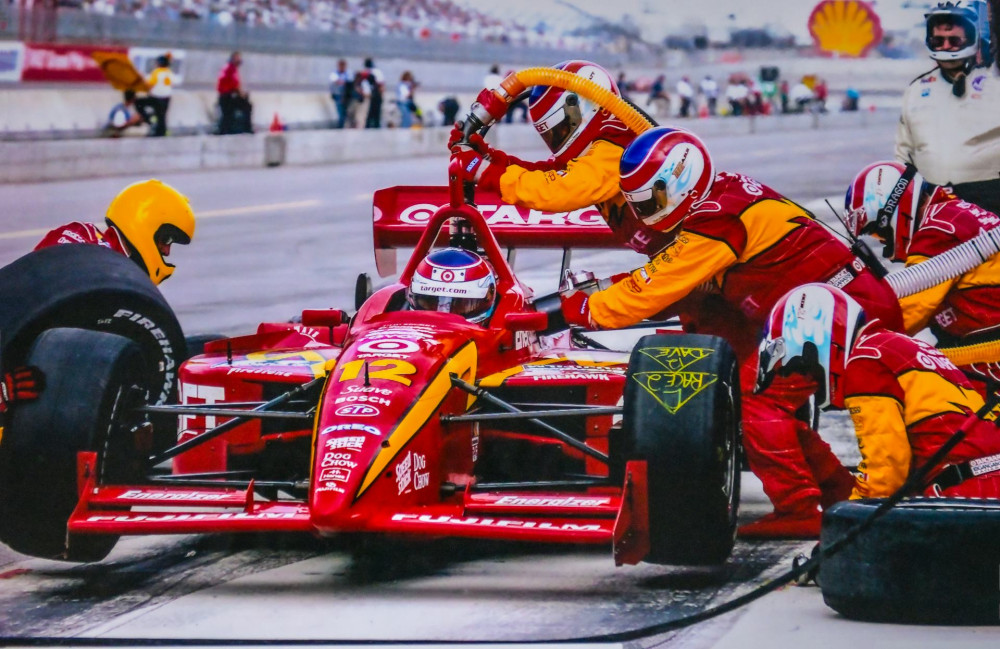
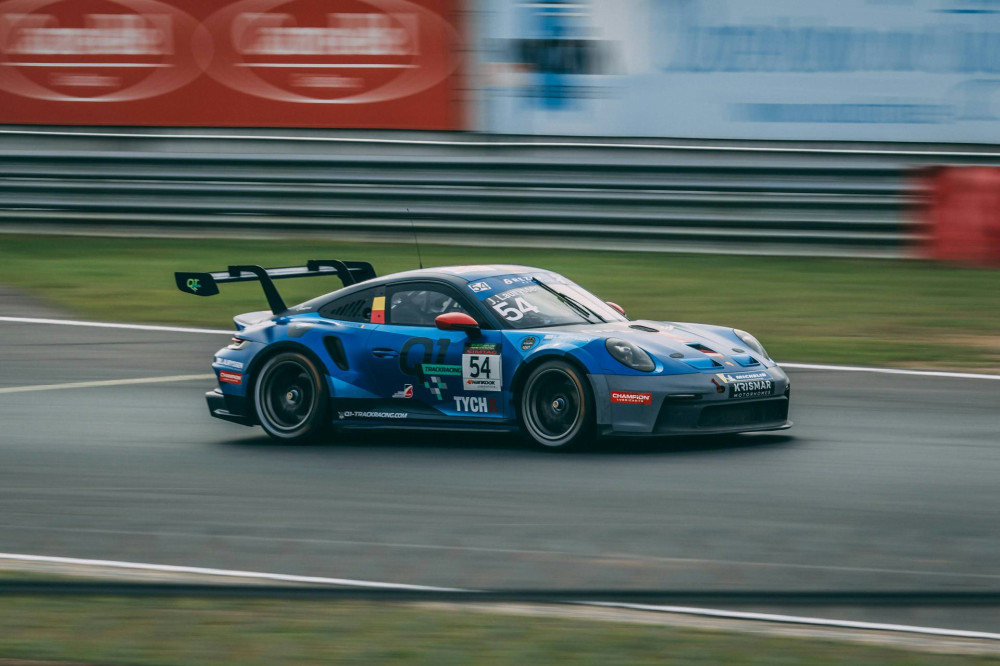
Motorsport isn’t a single discipline—it’s a collection of very different formats. Formula 1, NASCAR, IndyCar, MotoGP, and rally racing each have their own rhythms, rules, and fan bases. Betting markets adapt accordingly.
- Formula 1 offers a global audience and a wealth of data, allowing for a wide range of bets—from qualifying results to race strategy outcomes.
- NASCAR, deeply rooted in American culture, attracts wagers on stage winners, head-to-head driver matchups, and season-long championship odds.
- Rally racing is more unpredictable, so betting often focuses on overall results or stage victories rather than in-race events.
- Motorcycle and dirt track racing, popular in parts of the U.S. and Europe, tend to have smaller, more specialized betting markets managed by operators familiar with the sport’s nuances.
This tailoring ensures that betting reflects the nature of each discipline and provides fans with an authentic experience.
Technology and Data Are Changing the Game
Digital platforms have made it possible to bet on motorsport in real time, no matter where the race takes place. But that convenience brings new regulatory challenges. In some countries, live betting on motorsport is restricted because verifying data quickly enough to prevent errors or abuse can be difficult.
In the U.S., live betting is growing but still subject to state-level oversight. Licensed sportsbooks must use certified data sources to ensure accuracy. In contrast, countries like Japan and Australia maintain tighter restrictions, prioritizing the sport’s integrity over betting flexibility.
Responsibility as a Common Ground
Despite national differences, one principle unites most regulators: responsibility. Motorsport is fast, emotional, and unpredictable—qualities that make it thrilling but also potentially addictive. Many jurisdictions require age limits, self-exclusion programs, and clear information about gambling risks.
International motorsport organizations increasingly collaborate with regulators to safeguard the sport’s integrity. These partnerships aim to prevent match-fixing, protect drivers and teams from external pressure, and ensure that betting remains a fair and transparent part of the fan experience.
A Global Sport with Local Rules
Motorsport betting rules mirror the societies they come from. In some places, wagering is a natural part of the spectacle; in others, it’s something to be carefully controlled. What unites them all is a shared desire to preserve the excitement and credibility of the sport.
As motorsport continues to evolve, national differences in betting regulation aren’t a barrier—they’re a strength. They allow each country to honor its traditions and values while keeping the sport global, thrilling, and true to its roots.
Læs også: