The Psychology of Excitement: How Anticipation Influences Your Casino Decisions

The Psychology of Excitement: How Anticipation Influences Your Casino Decisions
When you sit down at a slot machine or open an online casino app, it’s rarely just about the money. It’s about the thrill — that electric sense of possibility that something big could happen at any moment. This feeling of anticipation isn’t random. It’s a key part of the psychology that makes casino games so captivating. But how exactly does it shape your decisions, and why can it keep you playing longer than you planned?
The Power of Anticipation – Your Brain’s Reward System at Work
Every time you play, your brain’s reward system kicks in. It releases dopamine — a neurotransmitter that fuels feelings of pleasure and motivation. What’s fascinating is that dopamine doesn’t just spike when you win; it also rises when you expect to win. That means the excitement leading up to the outcome can be just as satisfying as the win itself.
This mechanism is well-documented in psychology and shows up in many areas of life — from social media notifications to marketing campaigns. In the casino world, though, it’s especially visible because the games are built around cycles of hope, near-misses, and unpredictability.
The Near-Miss Effect – When Losing Feels Almost Like Winning
Have you ever hit two matching symbols on a slot machine and missed the third by just one reel? That “near-miss” moment is a classic example of how anticipation can heighten engagement. Even though you technically lose, your brain interprets it as a partial success — and releases dopamine almost as if you had won.
Research shows that this effect can keep players spinning longer, because the brain treats “almost winning” as a sign that victory is close. It creates an illusion of progress and fuels the desire to try again.
Risk, Control, and the Illusion of Influence
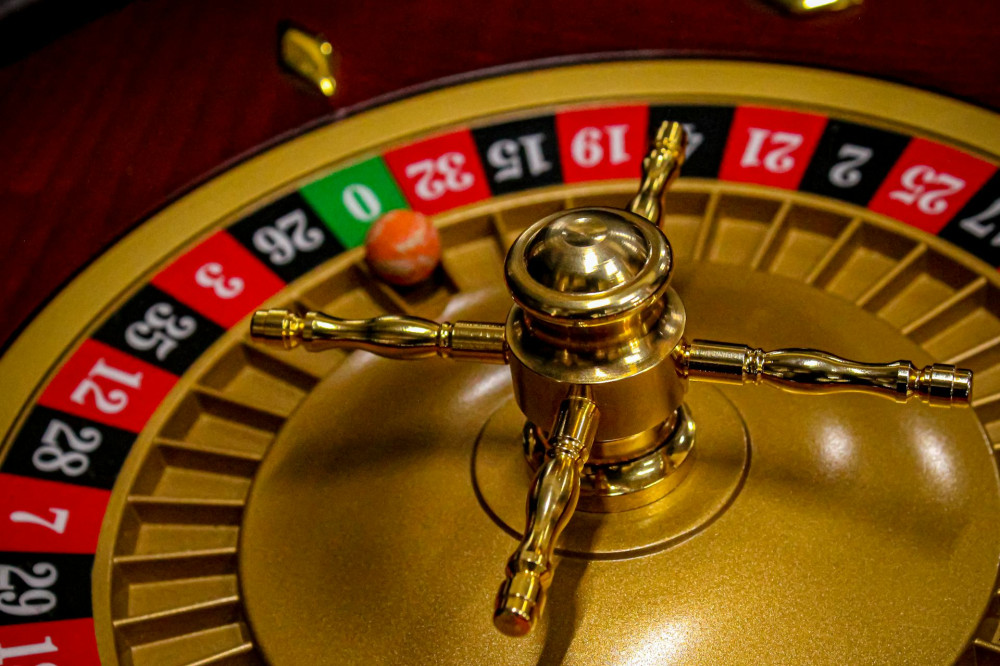
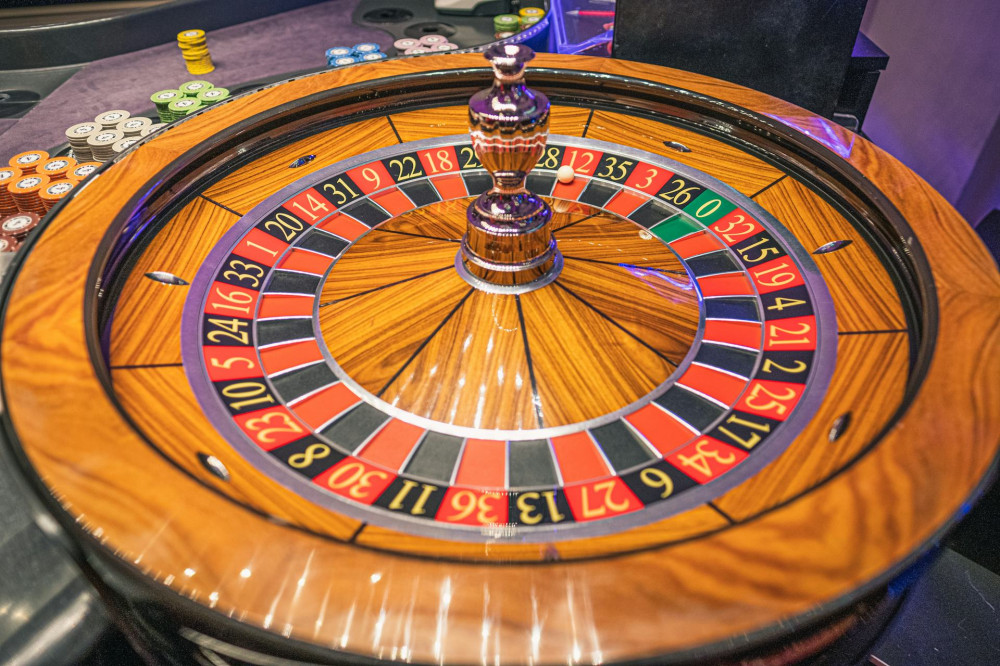
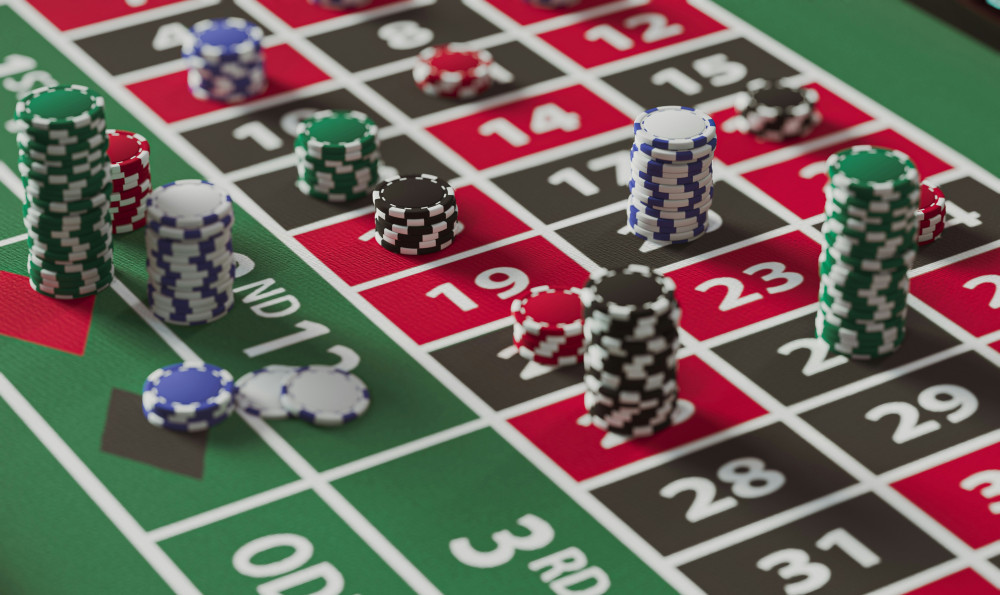
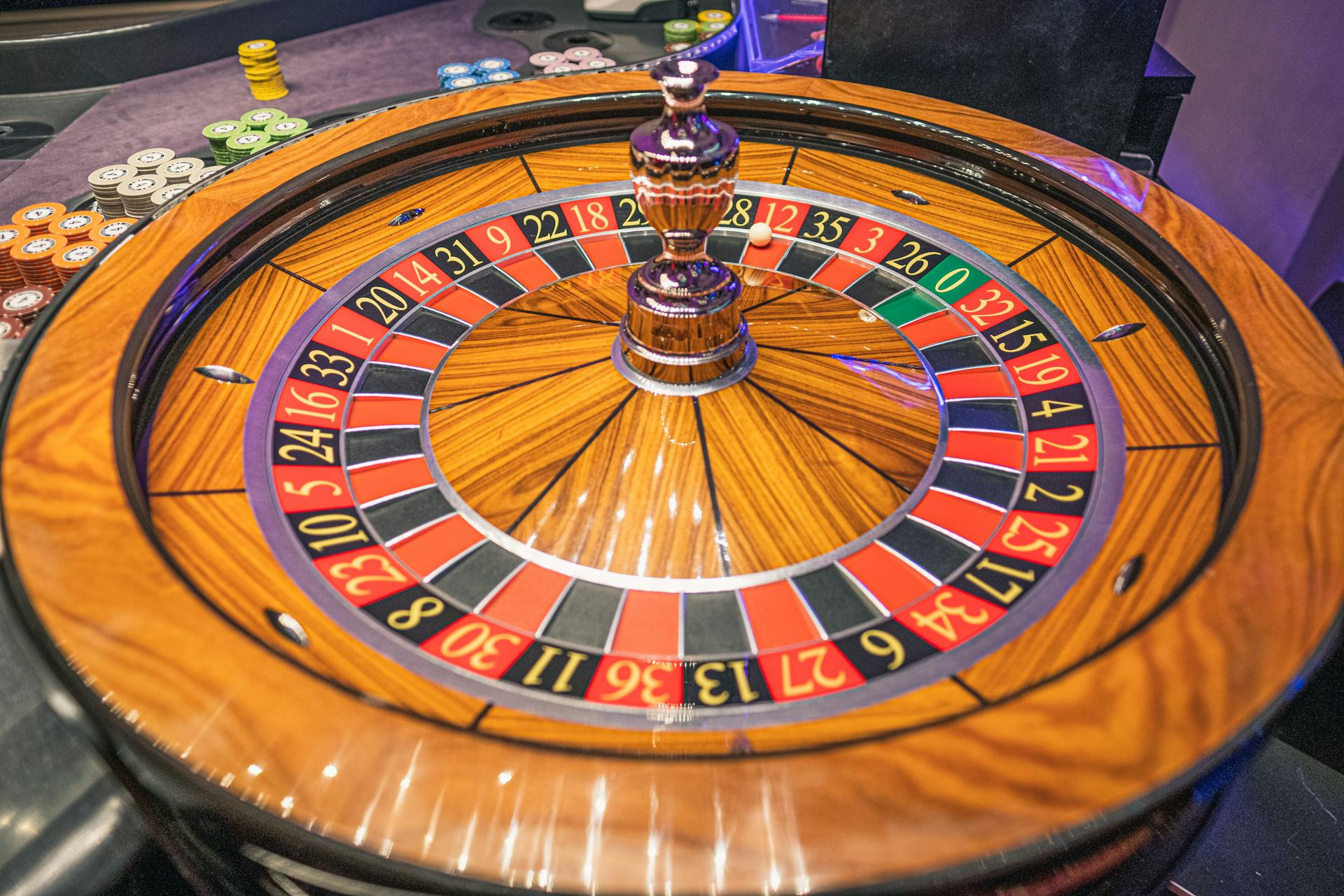
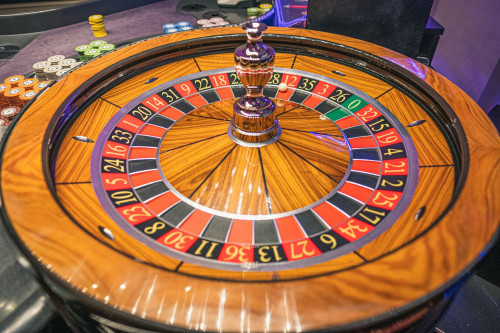
Most casino games are based on chance, yet people often overestimate their own control. When you pick a specific number on the roulette wheel or press “spin” at just the right moment, it feels like your actions matter — even though the outcome is random.
This illusion of control is a powerful part of the psychology of excitement. It gives meaning to the game and makes the experience more immersive. But it can also lead you to take bigger risks, believing you can somehow influence the result.
Læs også:

The Rhythm of Anticipation – Why It’s Hard to Take a Break
Casinos — both physical and online — are designed to keep you in a steady rhythm of anticipation and reward. The sounds, lights, and pacing are carefully tuned so you always feel like the next spin could be the big one. When you step away, that rhythm breaks, and your brain misses the dopamine rush. That’s why many players feel restless when they stop mid-session.
Recognizing this rhythm can help you make more mindful choices. If you notice you’re playing “just to see what happens next,” it’s often anticipation — not enjoyment — that’s driving you.
Playing with Awareness
Understanding the psychology of excitement doesn’t mean you have to avoid casinos altogether. It’s about playing with awareness of what’s happening inside you. Here are a few simple tips:
- Set clear limits for time and money before you start playing.
- Take regular breaks to interrupt the game’s rhythm and regain perspective.
- Be mindful of the near-miss effect — it feels like success, but it’s still a loss.
- Play for entertainment, not as a way to make money.
When you understand how anticipation shapes your decisions, you can stay in control — and still enjoy the thrill in a healthy way.
Excitement as Part of the Experience — Not the Goal Itself
Excitement is a natural and fascinating part of human psychology. It drives us to engage, dream, and hope. But in the casino environment, it can also become a trap if we forget that the games are designed to exploit that very feeling.
By seeing excitement as part of the experience — not the goal itself — you can find a balance where the game stays fun, and your decisions remain your own.
Læs også: