Myths and Traditions: How History Shapes Cycling and Betting

Myths and Traditions: How History Shapes Cycling and Betting
Cycling is more than speed, endurance, and tactics. It’s a sport woven with myths, traditions, and stories that have evolved over more than a century. From the dusty roads of early races to today’s carbon-fiber machines, history has shaped not only how we watch cycling but also how many fans engage with it through betting. To understand the fascination with the sport—and the patterns that influence betting around it—we have to look back at the cultural roots that still define cycling today.
Heroes, Suffering, and Legends
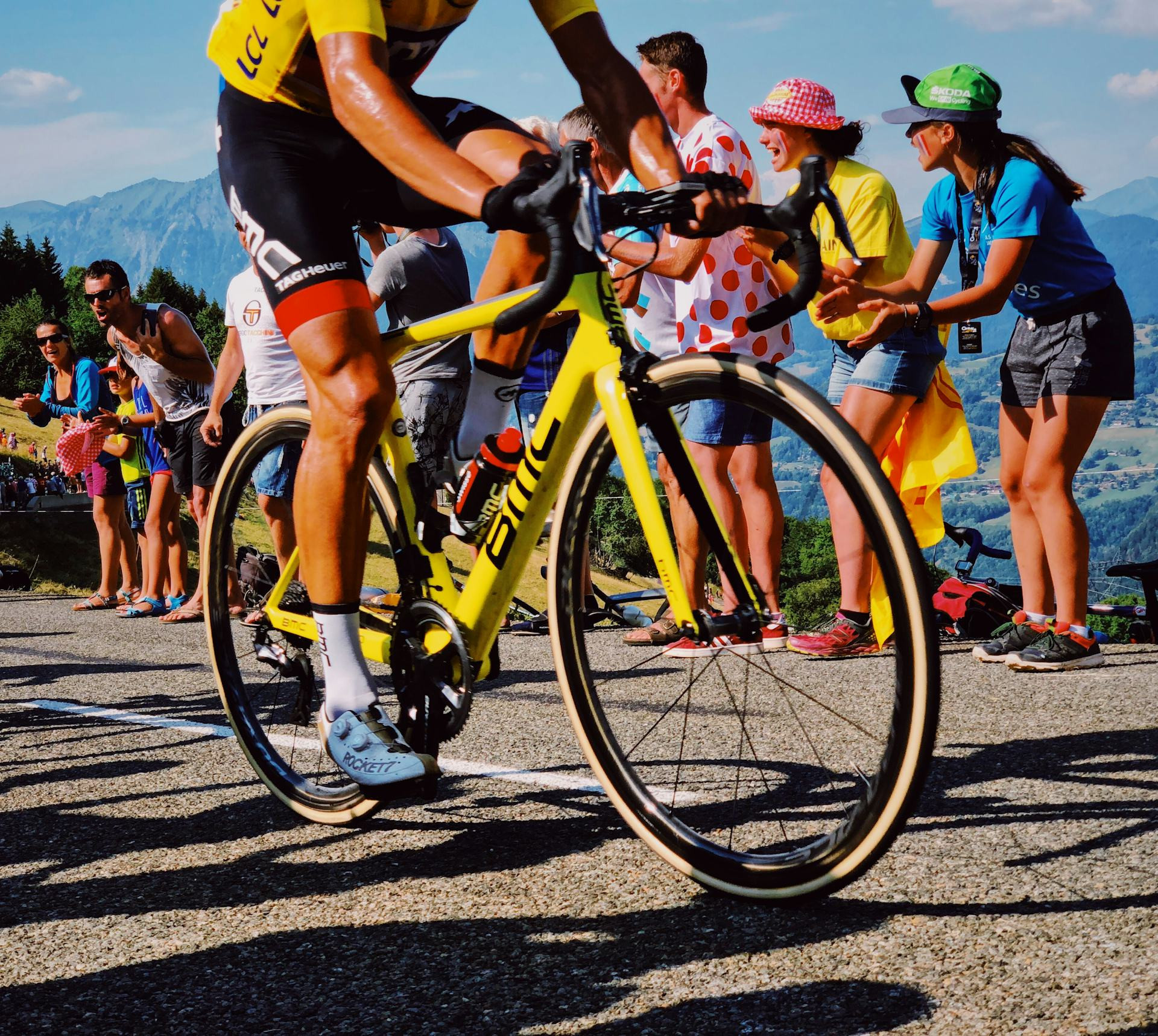
Cycling has always been a sport of mythic proportions. In the early 1900s, riders were called “gladiators of the road”—men who battled the elements, the mountains, and their own limits. The races were brutal, and tales of heroic victories and heartbreaking defeats quickly became part of the sport’s DNA.
These stories created a unique culture where suffering and perseverance are seen as noble virtues. When a rider attacks alone on a mountain pass or drags himself to the finish line after a crash, it’s not just sport—it’s a story of human willpower. This narrative makes cycling unpredictable and captivating, and it’s also what makes betting on it so distinctive. Success in cycling betting isn’t only about statistics; it’s about understanding the riders’ character and the mythic patterns that repeat themselves year after year.
Traditions That Shape the Races
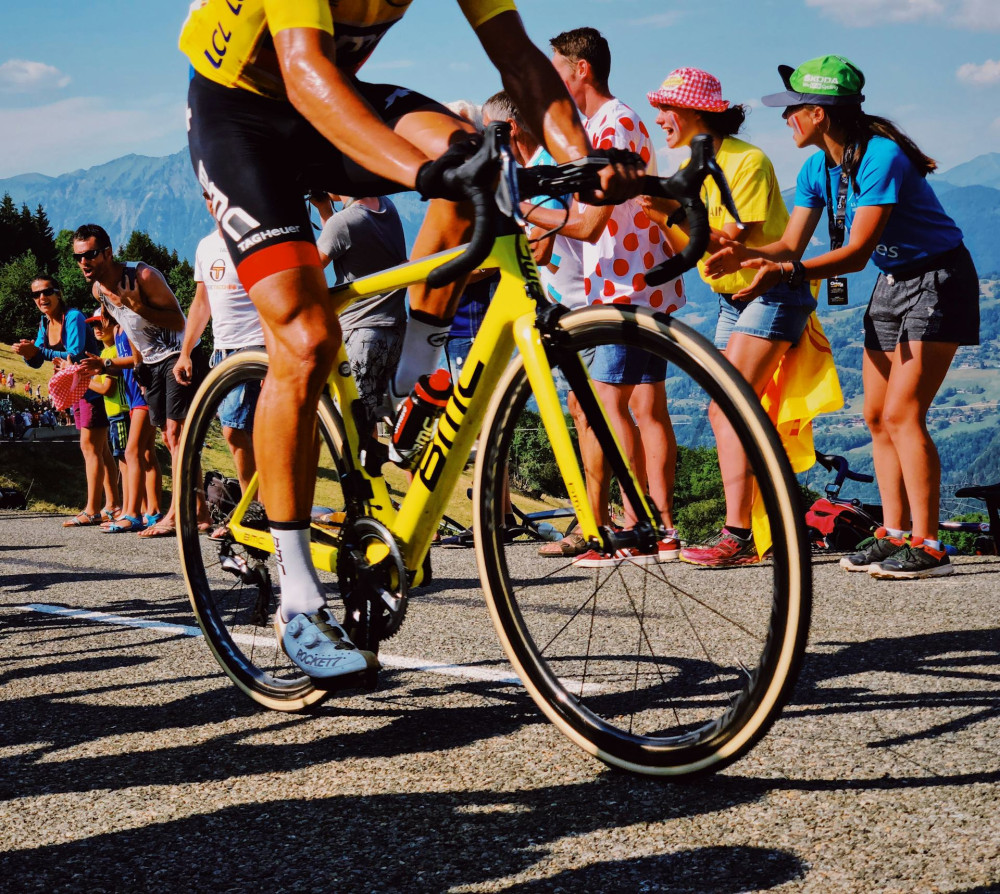
Every major cycling race has its own traditions, respected by both riders and fans. The yellow jersey of the Tour de France symbolizes honor and continuity, while the cobblestones of Paris-Roubaix represent the sport’s raw soul. The Giro d’Italia’s pink jersey and dramatic mountain stages evoke passion and drama.
These traditions also influence how races are analyzed and bet on. Many bettors know that certain riders thrive in specific races because of their temperament and historical role. A classics specialist who loves rain and rough terrain is often seen as a “Roubaix type”—an archetype that reappears year after year. History doesn’t always repeat itself, but it often rhymes, and that’s what makes cycling so thrilling to follow—and to predict.
Myths and Psychology in Betting
When betting on cycling, it’s easy to get swept up in the myths. Fans remember the great moments—solo attacks in the Alps, dramatic time trials, or unexpected comebacks—and let those memories shape their expectations. But myths can both guide and mislead. They bring the sport to life, yet they can also cause us to overvalue riders who fit a romantic narrative rather than current form.
Experienced bettors try to balance data with intuition. They know that history can offer valuable clues—like how certain teams traditionally perform in specific races—but they also understand that each season writes its own story. Betting on cycling is therefore an exercise in reading both the sport’s past and its present dynamics.
Læs også:

From Local Races to Global Culture
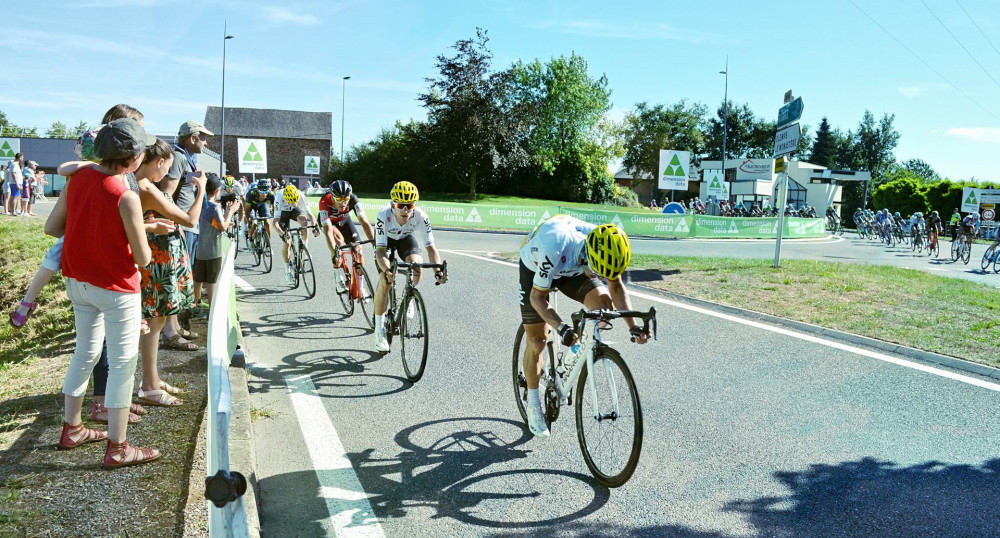
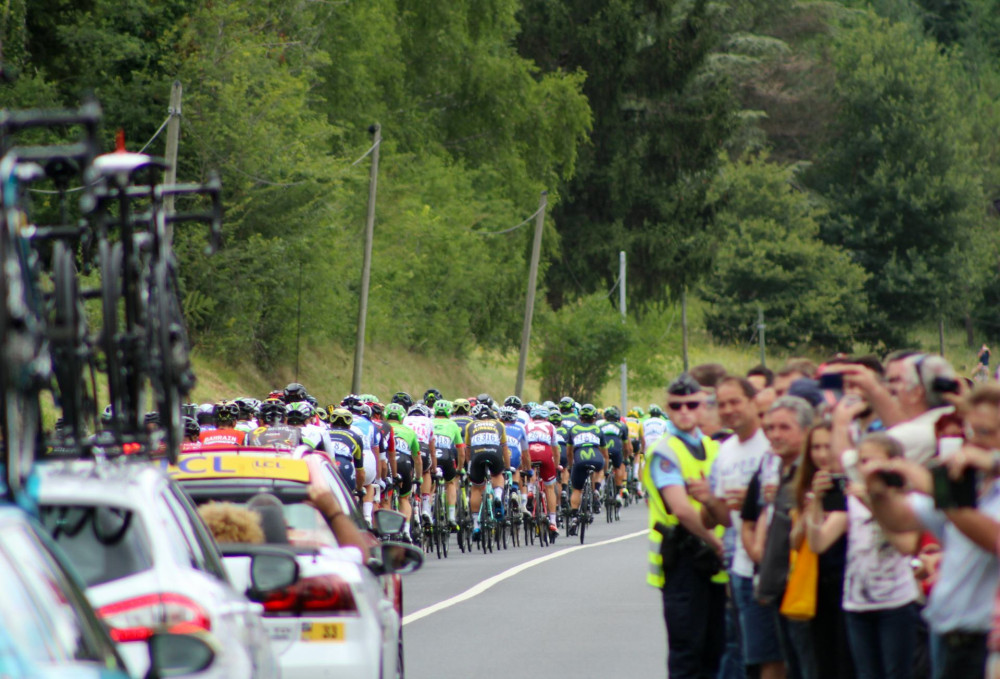
Cycling began as a local spectacle in small European towns but has grown into a global culture. Yet the old traditions endure. Fans still gather by the roadside with flags and cowbells, and many races follow routes that have been used for generations. This continuity creates a sense of community and identity—for those who watch and for those who wager.
Today, betting is part of modern cycling culture, but it’s built on the same foundations: passion, knowledge, and respect for history. Understanding cycling isn’t just about knowing who’s in form—it’s about understanding the stories that have shaped the sport over time.
History as a Compass
When watching a race—or placing a bet—it’s worth remembering that history isn’t just background noise. It’s a compass that helps us understand why some races feel grander than others and why certain victories become legendary. Myths and traditions give cycling depth and meaning, reminding us that the sport isn’t only about crossing the finish line first—it’s about being part of a story that’s been unfolding for more than a hundred years.
Læs også: