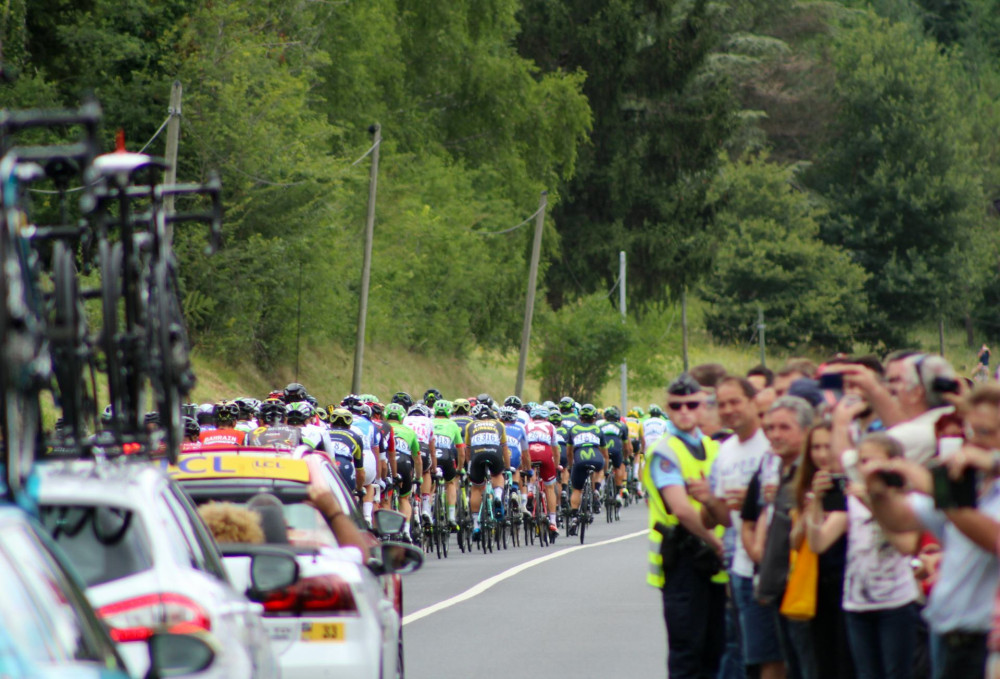
Team Tactics and Roles: The Key to Understanding Cycling Bets

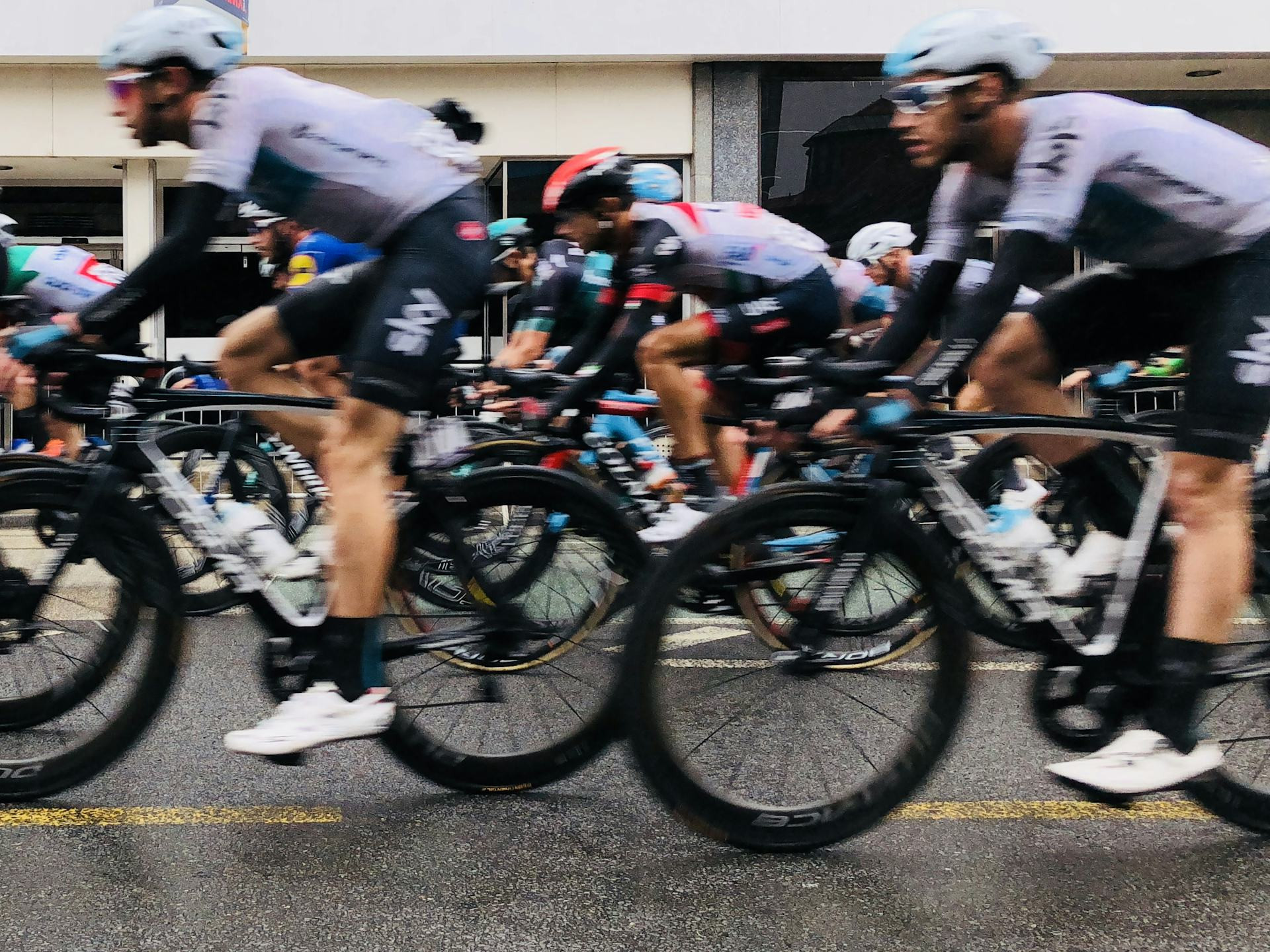
Team Tactics and Roles: The Key to Understanding Cycling Bets
When you watch a bike race, it’s easy to think it all comes down to who’s the fastest on the day. But behind every attack, every pull at the front, and every position in the peloton lies a carefully planned strategy. For anyone betting on cycling, understanding team tactics and rider roles can be the difference between an informed wager and a blind guess.
Cycling Is a Team Sport – Even When One Rider Wins
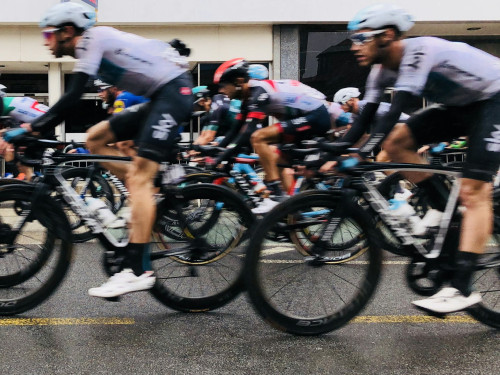
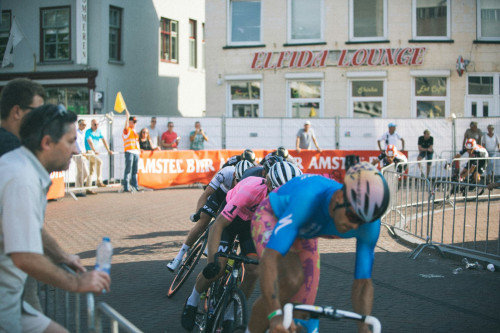
Even though only one rider crosses the finish line first, professional cycling is very much a team sport. A top-level team usually consists of eight riders, each with a specific job. Some protect the team leader, others fetch water bottles, and a few are specialists in breakaways or sprint finishes.
When analyzing a race from a betting perspective, it’s crucial to look at the entire team composition. A strong support squad around a leader increases the chances of success—especially in stage races like the Tour de France, where teamwork and tactics over three weeks can make or break a campaign.
Læs også:
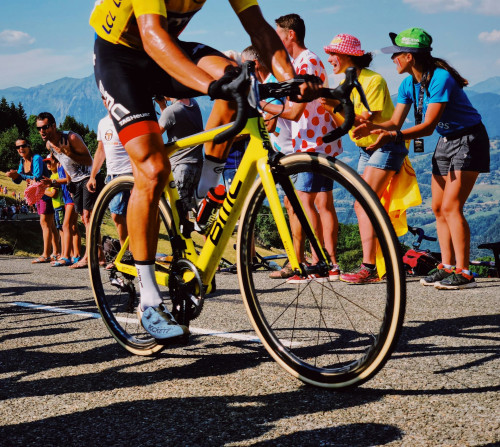
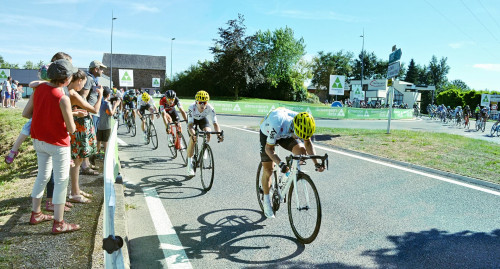
Roles in the Peloton – Who Does What?
To understand how a race unfolds—and how odds can shift along the way—it helps to know the most common roles:
- The Team Leader (Captain) is the rider the team supports for the overall win or stage victories. The entire strategy revolves around protecting and positioning this rider.
- The Lieutenant (Co-Leader) is the second-in-command, capable of taking over if the leader falters or attacking to put pressure on rivals.
- The Domestique is the workhorse. They fetch bottles, shield the leader from the wind, and sacrifice their own chances for the team’s success.
- The Sprinter specializes in flat finishes where positioning and timing are everything.
- The Climber excels on steep ascents and is often key in mountain stages and general classification battles.
- The Time Trialist is the expert against the clock, racing solo to gain or defend precious seconds.
When placing a bet, it’s smart to consider the stage profile and which riders’ roles best fit the day’s terrain.
Team Tactics: When Strategy Beats Strength
A cycling race is like a chess match on wheels. Teams plan when to attack, who to send in a breakaway, and how to respond to rival moves.
A classic tactic is sending a rider up the road early to force other teams to chase, allowing the leader to conserve energy in the peloton. In other cases, a team may control the pace to prevent attacks—common in mountain stages where favorites wait for the final climb to strike.
For bettors, reading these patterns is key. A team with several riders in top form can dominate tactically, while a weakened team may struggle to protect its leader.
Betting Dynamics: Why Odds Shift Mid-Race
Cycling is unpredictable, and that’s reflected in the odds. A crash, a flat tire, or a sudden change in weather can turn the race upside down. But more often than not, it’s team tactics that decide who wins.
Live betting on cycling requires close attention. If a team starts riding aggressively early on, it might signal they’re backing a breakaway. A calm peloton, on the other hand, often means the sprinters’ teams are setting up for a mass finish.
Recognizing these signals gives bettors an edge—not just in analysis, but in spotting when the odds are most favorable.
Data, Form, and Team Cohesion
While tactics and roles are central, data and form also matter. Many serious bettors analyze riders’ recent results, power numbers, and recovery patterns. But even the strongest rider can lose if the team doesn’t function as a unit.
For example, if a leader loses key domestiques early in a mountain stage, they can become isolated and vulnerable to attacks. That’s why it’s important to assess the entire team’s condition—not just the star’s.
Betting with Insight – Not Just Instinct
Cycling rewards those who understand the details. A bet based on knowledge of team tactics, stage profiles, and rider roles is far more informed than one based solely on reputation or past victories.
By combining sporting insight with analysis of odds and race dynamics, you not only improve your chances of success—you also gain a deeper appreciation for the sport itself.
Cycling isn’t just about power and endurance; it’s about strategy, teamwork, and timing. And that’s exactly where the key to understanding cycling bets lies.
Læs også: