Surprises on the Road – What Historical Data Reveal About Bicycle Racing

Surprises on the Road – What Historical Data Reveal About Bicycle Racing
Bicycle racing is a sport of endurance, tactics, and constant uncertainty. Behind the breakaways, crashes, and sprint finishes lies a world of patterns that only become visible when you look at the numbers. Historical data from major stage races and one-day classics show that victories are rarely random—but they don’t always follow logic either. What can the statistics tell us about when surprises happen, and why some riders suddenly rise above expectations?
The Numbers Say: Favorites Win—But Not Always
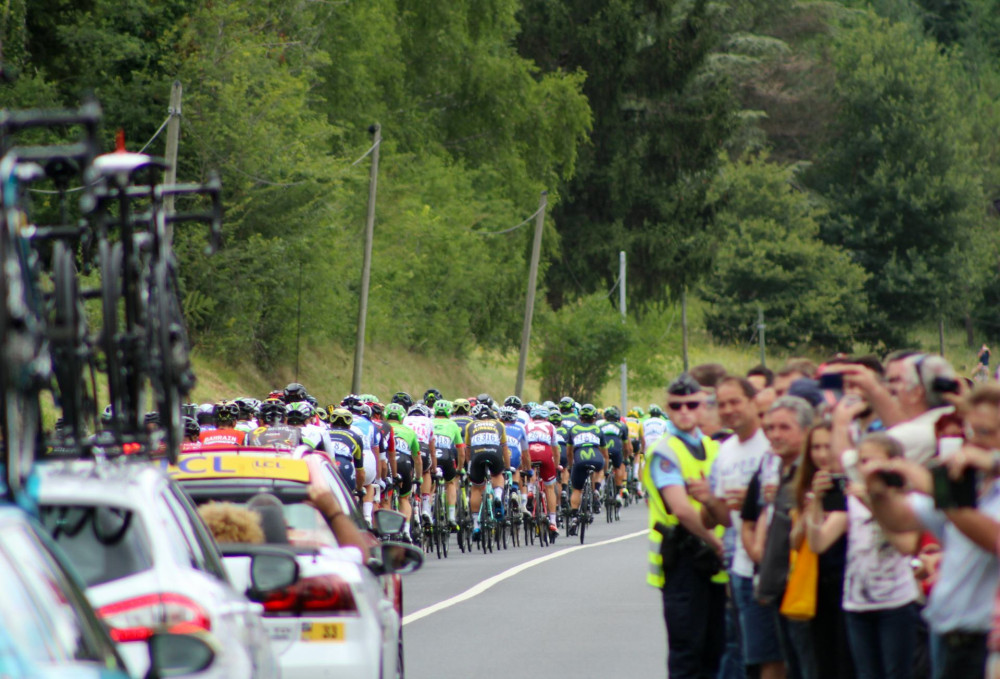
Looking at results from the past two decades of the Tour de France, Giro d’Italia, and Vuelta a España, the data show that favorites usually prevail. Roughly 70% of the time, the winner is among the top five riders predicted by bookmakers or analysts. But that also means nearly one in three victories goes to an outsider.
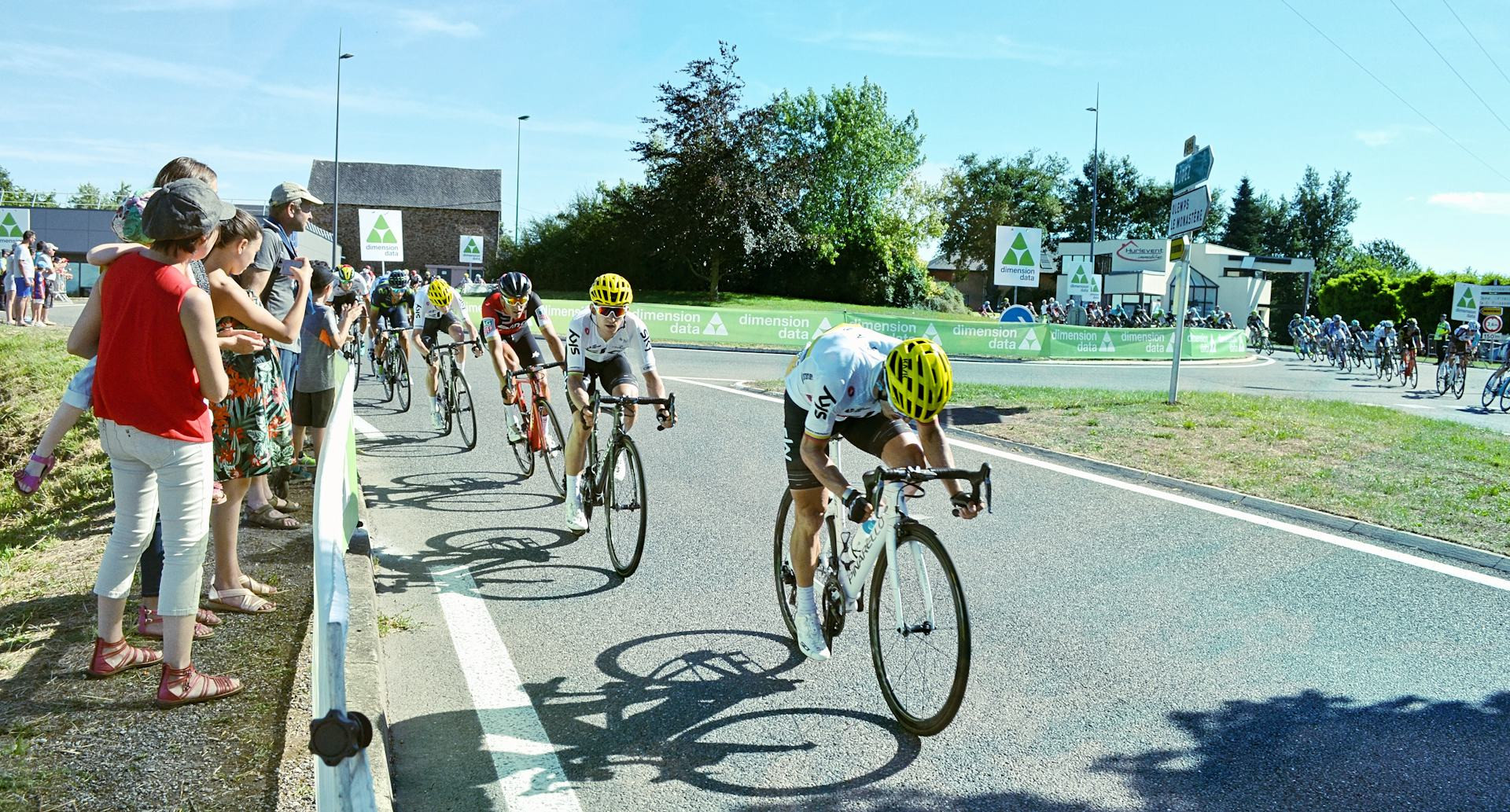
These upsets tend to occur on stages with unpredictable conditions: crosswinds, rain, crashes, or tactical miscalculations. Data reveal that mountain stages and those with rapidly changing weather have a significantly higher chance of producing unexpected results. That’s where smaller teams and opportunistic riders can turn chaos into opportunity.
The Unpredictable Nature of the Classics
One-day races like Paris–Roubaix and the Tour of Flanders are famous for their randomness—and the statistics back it up. In these races, the likelihood that a rider without a previous top-10 finish will win is almost twice as high as in stage races. Cobbled sections, punctures, and positioning battles mean that even the strongest riders can lose everything in seconds.
Interestingly, riders from smaller teams are more likely to cause upsets in the classics than in the Grand Tours. The reason lies in the structure of the races—there’s no time to recover from mistakes, and one perfectly timed attack can define a career.
Læs også:

Technology and Data Analysis Are Changing the Game
Today’s teams rely heavily on advanced data analytics to predict race dynamics. GPS tracking, power meters, and weather models are combined to fine-tune strategy. Yet historical data show that technology doesn’t eliminate surprises—it just changes where they happen.
When every rider has access to the same information, the margins shrink. That’s when psychological factors—courage, intuition, and risk-taking—become decisive. Statistics suggest that riders who attack frequently early in the season are more likely to create surprises later on, perhaps because they’re more willing to take chances when others hesitate.
When Outsiders Make History
Some of cycling’s most memorable moments have come from riders no one expected to win. Data show that surprises often occur when several factors align: a strong team supporting an underrated rider, tactical hesitation among the favorites, and weather that reshapes the race.
Take the many rain-soaked editions of Milan–San Remo, for example, where unexpected winners have become almost a tradition. Statistics indicate that in races with rain and temperatures below 50°F, the probability of an outsider victory nearly doubles.
What the Numbers Teach Us
Historical data remind us that cycling is a balance between predictability and chaos. The favorites usually win, but the greatest stories emerge when the numbers are defied. For fans and analysts, data can help explain trends—but they can never remove the thrill.
For those who follow the sport closely, that unpredictability is exactly what makes cycling so captivating. Statistics can explain a lot, but not everything. Out on the road, there’s always room for the unexpected.
Læs også: