Odds in Motion: How to Interpret a Bookmaker’s Line Changes


Odds in Motion: How to Interpret a Bookmaker’s Line Changes
If you’ve spent any time following sports betting, you’ve probably noticed that odds rarely stay still. They move up and down—sometimes gradually, sometimes in sharp jumps. But what exactly does it mean when a bookmaker adjusts the line? Is it a reaction to new information, heavy betting action, or simply a way to balance risk? In this article, we’ll explore how to read line movements and how you can use them as part of your own betting analysis.
Why Do Odds Move?
Bookmakers set their opening lines based on their assessment of each outcome’s probability—but also with the goal of ensuring profit regardless of the result. When a large number of bettors back one side, the bookmaker will adjust the odds to attract action on the other side. This helps them balance their exposure and maintain a steady margin.
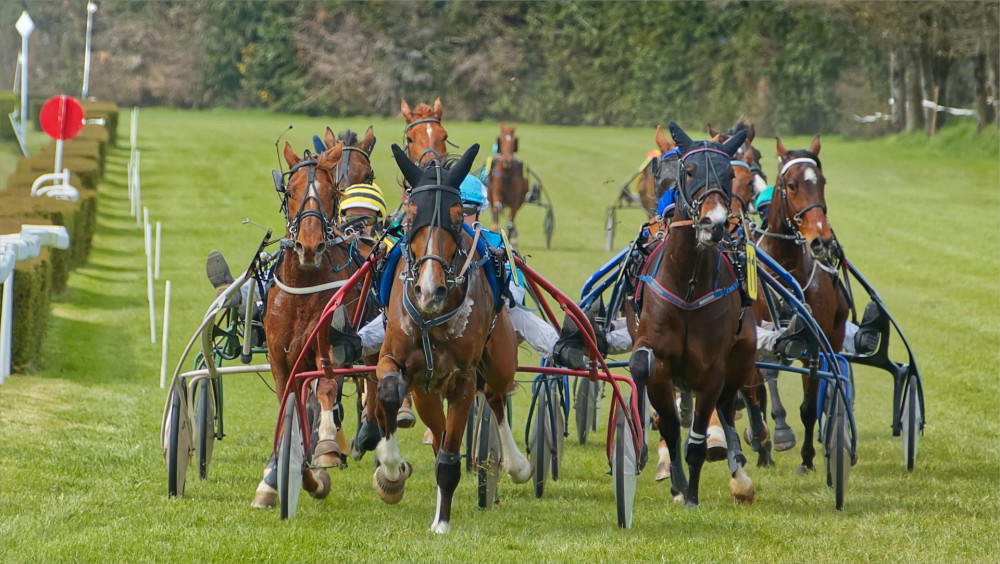
Odds can also shift when new information hits the market: an injury report, a change in weather, or a key player being ruled out. In horse racing, it might be a change in track conditions, a jockey switch, or a late scratch. In short, odds move because the market moves.
Market Reactions – When the Money Talks
One of the most revealing aspects of line movement is that it often reflects where the money is going. If a flood of bets suddenly comes in on one team or horse, the bookmaker will respond by shortening the odds on that side. This is often referred to as “money flow” or “steam” in the market.
Experienced bettors pay close attention to these movements because they can indicate where the so-called “sharp money” is landing. If a line shifts significantly just before a game or race, it may suggest that professional bettors have spotted value that the general public hasn’t yet recognized.
But be careful—not every line move carries deep meaning. Sometimes it’s just a small adjustment or a reaction to rumors that later prove unfounded.
Timing Matters
When a line moves can tell you a lot. Early-week movement often reflects the bookmaker fine-tuning their initial numbers or reacting to early sharp action. Late movement, especially in the hours before kickoff or post time, is more likely driven by new information or large wagers.
In horse racing, for example, odds can swing dramatically in the final minutes before the race. That’s when seasoned bettors place their wagers after seeing the horses in the paddock and assessing their condition on the day. These late moves can be particularly telling.
Læs også:



How to Use Line Movement in Your Analysis
Understanding line movement isn’t about chasing every fluctuation—it’s about putting those changes in context. Here are a few ways to use them effectively:
- Confirm your own analysis: If you’ve identified value on a team or horse and the odds start to shorten, it could mean the market agrees with you.
- Look for overreactions: Sometimes the market moves too far. If odds drift higher without a solid reason, that might create value for a patient bettor.
- Time your bet: By tracking the market, you can decide whether to bet early—when odds are higher—or wait until later, when you have more information.
The key is to treat line movement as a signal, not a verdict. It shows how the market is reacting, not necessarily what will happen.
Learning to Separate Noise from Signal
In today’s fast-moving information environment, odds can shift for countless reasons. Social media chatter, speculative rumors, and automated trading algorithms can all create movement that has little to do with actual probabilities. That’s why it’s crucial to distinguish between noise and meaningful signals.
A good approach is to observe patterns over time. Notice which types of moves tend to hold up and which ones fade quickly. The more you understand the rhythm of the market, the better you’ll become at interpreting line changes accurately.
Odds in Motion – A Window into the Market’s Pulse
Line movement is, at its core, a reflection of the market’s pulse. It shows how thousands of bettors—from casual fans to professionals—are assessing probabilities in real time. Learning to read these shifts gives you valuable insight into how the market thinks.
But remember: even the sharpest bettors get it wrong sometimes. Line movement can point you in the right direction, but it never guarantees an outcome. Use it as one piece of your overall analysis—not as a substitute for it.
Læs også: