Winners’ Strategy: What Can We Learn from the Best Horse Races?

Winners’ Strategy: What Can We Learn from the Best Horse Races?
When a horse crosses the finish line first, it’s rarely a matter of luck. Behind every victory lies careful planning, tactical awareness, and a finely tuned partnership between horse, jockey, and trainer—honed over months, sometimes years. Horse racing is a sport of narrow margins, where the smallest decisions can determine the outcome. The most memorable races reveal patterns that both fans and bettors can learn from. Let’s take a closer look at what defines a winner’s strategy—and how you can use that insight when following or wagering on the sport.
The Start: Position and Pace from the First Stride
A great race begins in the starting gate. The best jockeys know that a quick yet controlled start can make all the difference. But it’s not just about breaking fast—it’s about finding the right position.
In sprint races, explosive speed out of the gate is crucial. In longer races, patience matters more. Experienced riders often let their horses settle into rhythm early, conserving energy for the stretch run. A horse that burns too much energy in the opening furlongs often fades when it matters most.
For spectators—and especially for bettors—it pays to watch how a horse handles the start. A calm, focused horse that quickly finds its place in the pack often has a better chance than one that fights its rider or wastes energy early.
Læs også:
The Middle: Rhythm and Patience
The middle stages of a race are where the best jockeys truly show their skill. This is the time to maintain rhythm, preserve stamina, and stay aware of the competition. Many races are lost not in the final stretch, but in the middle, when a rider pushes too hard or loses focus.
Top jockeys know their horses inside out. Some horses perform best when setting the pace up front, while others prefer to stalk from behind and make a late move. Understanding a horse’s temperament and using it strategically is one of the keys to victory.
The Stretch: Timing and Courage
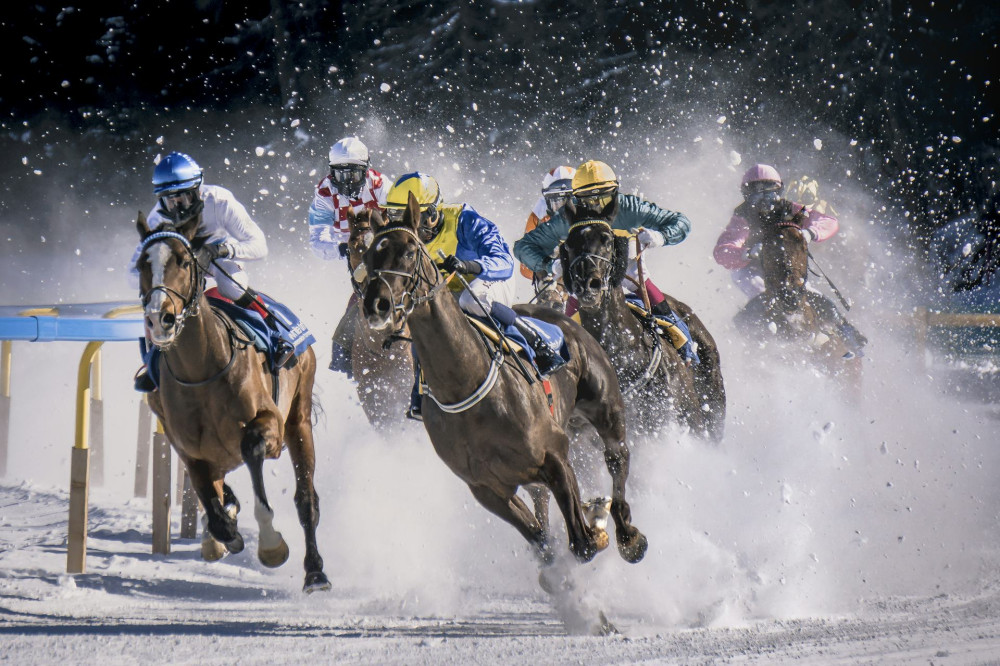
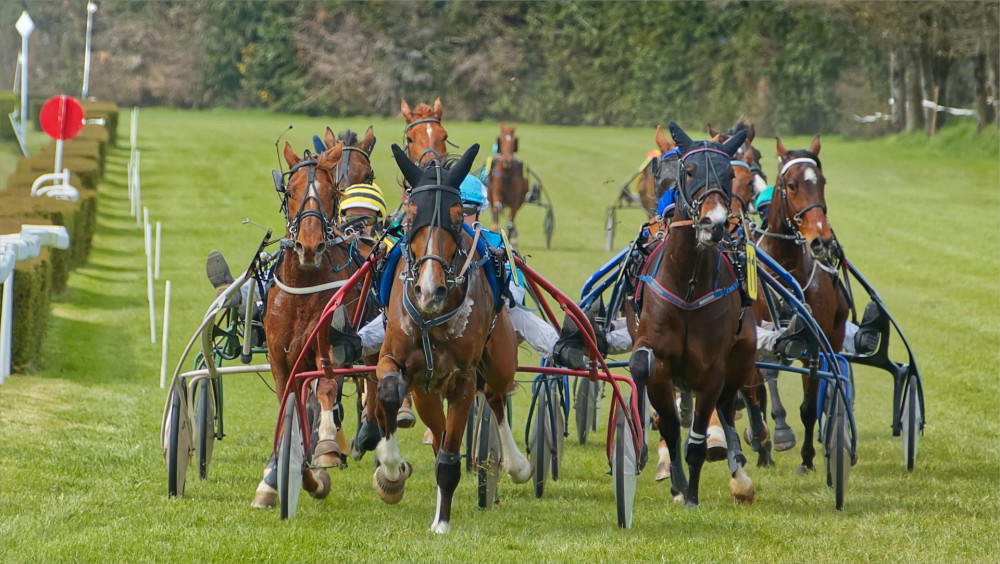
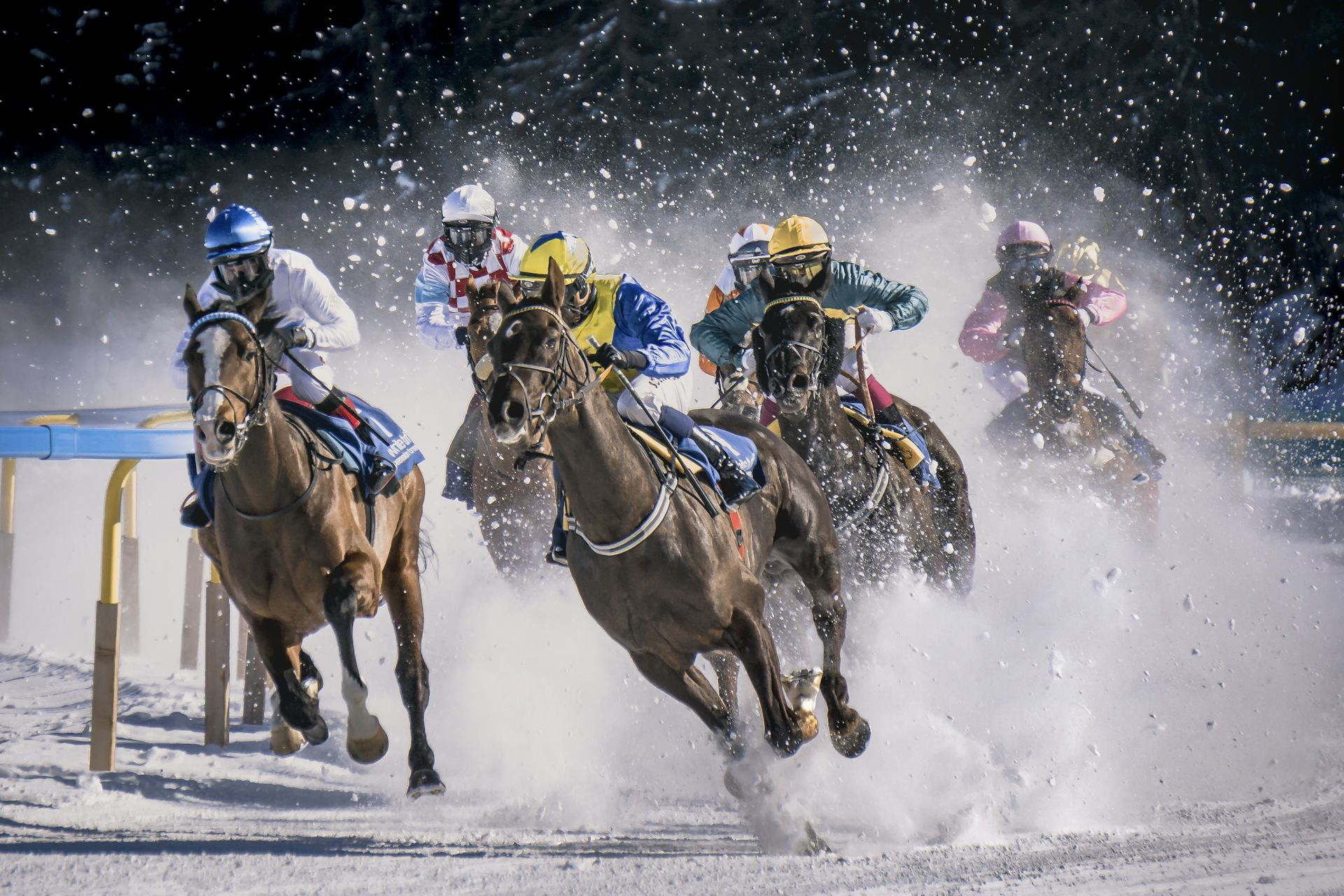
When the field turns for home, everything comes down to timing and nerve. A jockey who asks for too much too soon risks running out of gas before the wire. One who waits too long may get boxed in or run out of room to accelerate.
Winners are often defined by their ability to read the race in real time—to spot openings and react in a split second. It takes both experience and instinct. Many of the most unforgettable finishes in American racing history have come from perfectly timed surges, when horse and rider move as one.
The Trainer’s Role: Strategy Before Race Day
While the jockey gets the spotlight, victory begins in the barn. A trainer’s preparation—both physical and mental—is crucial. The best trainers plan a horse’s campaign carefully, choosing distances and surfaces that suit its strengths and ensuring it peaks at the right moment.
Training is also adjusted for track conditions, weather, and competition. A muddy track demands endurance and strength, while a fast, dry surface favors horses with quick acceleration. Reading these factors and adapting strategy accordingly is an art form in itself.
What Fans and Bettors Can Learn
For those who follow the sport—or place a wager—there’s much to gain from studying the patterns of winners. Here are a few key takeaways:
- Know the horse’s form and surface preference. Some horses excel on dirt, others on turf, and many have ideal distances.
- Watch the jockey’s style. A skilled rider with good timing can make the difference between victory and defeat.
- Analyze race pace. A fast early pace can set up closers, while a slow pace benefits front-runners.
- Consider weather and track conditions. Rain, wind, and temperature can dramatically change how a race unfolds.
Understanding these factors not only makes watching races more exciting—it also improves your ability to predict who will come out on top.
The Common Thread: Preparation and Composure
Looking back at the most successful races, one theme stands out: preparation. The best results rarely come from improvisation, but from planning, discipline, and the ability to stay calm under pressure. That applies to horse, jockey, and trainer alike.
A winner’s strategy isn’t just about speed—it’s about balance: between courage and patience, instinct and strategy. And perhaps that’s what keeps horse racing so captivating—it’s a sport where power and intelligence meet in a single, decisive moment.
Læs også: