Soft or Firm Track? Learn to Recognize Your Horse’s Preferred Conditions

Soft or Firm Track? Learn to Recognize Your Horse’s Preferred Conditions
When it comes to horse racing, it’s not just about form, pedigree, or the jockey’s skill – the track condition can make or break a performance. Some horses glide over a dry, firm surface, while others only find their rhythm when the ground has some give. Understanding how different horses respond to varying track conditions can be the key to spotting hidden value in the betting markets. Here’s how to recognize your horse’s preferred footing – and use that knowledge to your advantage.
What Do “Firm” and “Soft” Really Mean?
In U.S. racing, track conditions are described differently depending on whether the race is on dirt or turf. On dirt, you’ll hear terms like fast, good, muddy, or sloppy. On turf, the scale runs from firm to yielding to soft. These labels describe how much moisture is in the surface and how much the horse’s hoof sinks in.
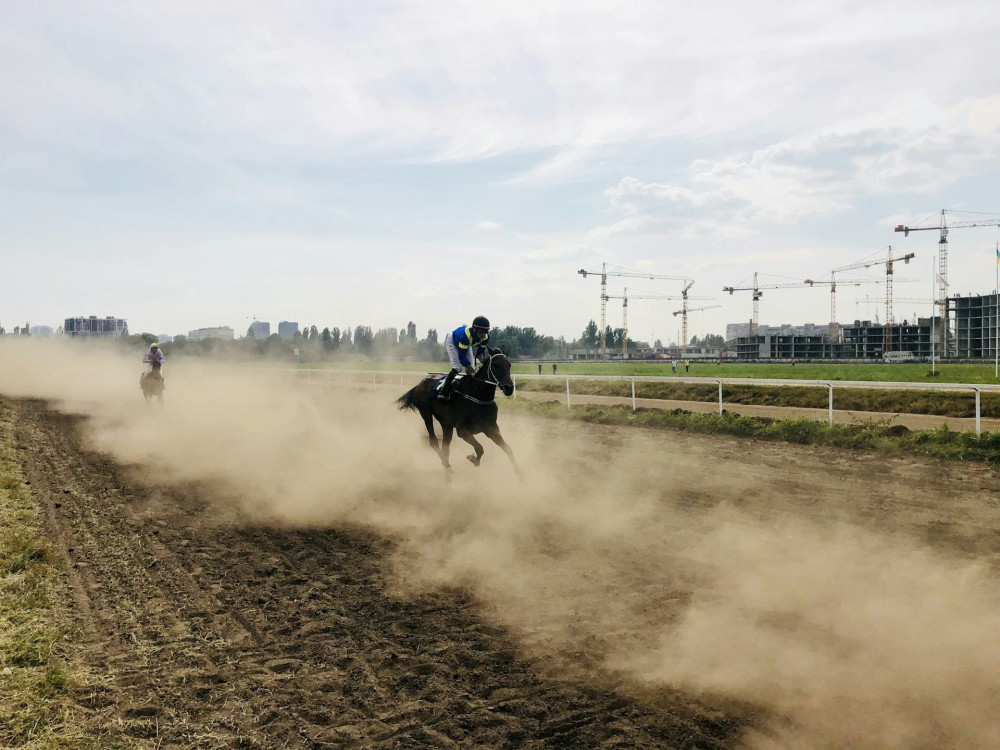
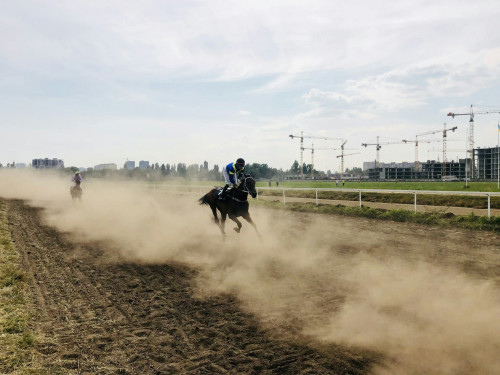
- Fast (dirt) / Firm (turf): Dry, hard, and quick. Horses can run their fastest times, but it takes precision and balance.
- Good: Slightly more moisture, offering a bit of cushion. Many horses handle this well.
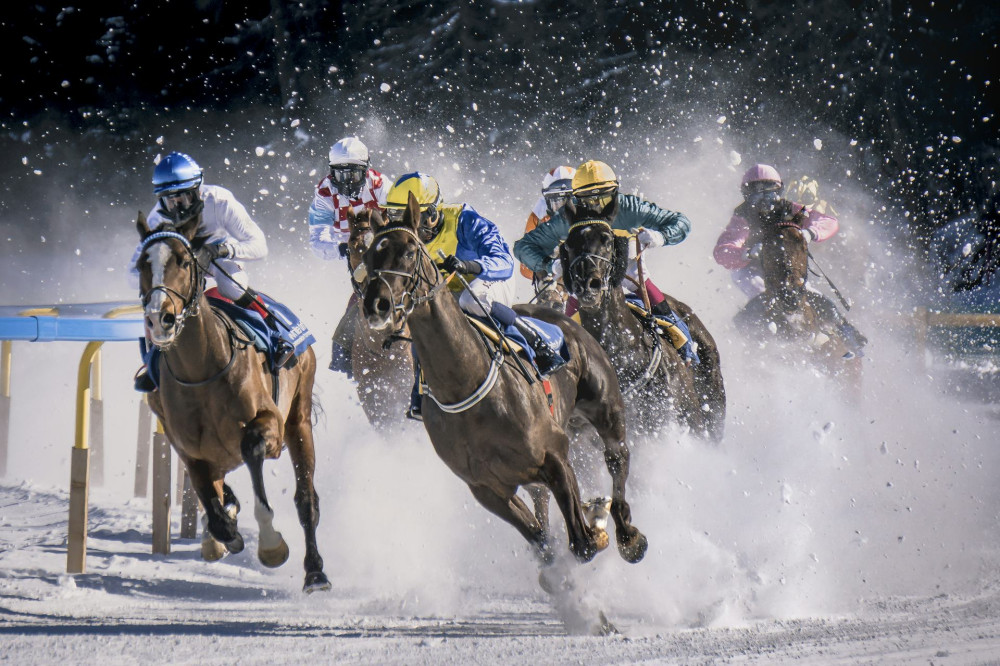
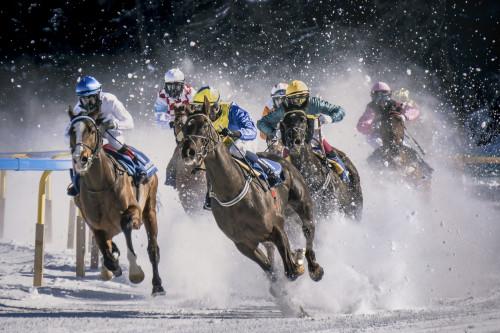
- Muddy (dirt) / Soft (turf): Wet and more demanding. Horses need strength and stamina to maintain speed.
- Sloppy (dirt) / Yielding (turf): Very wet, often after heavy rain. Only certain horses thrive in these conditions.
Track conditions can change throughout the day, especially after rain or intense sun. Always check the official track updates before placing your bets.
Læs også:
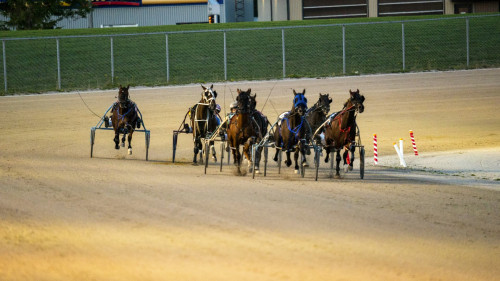
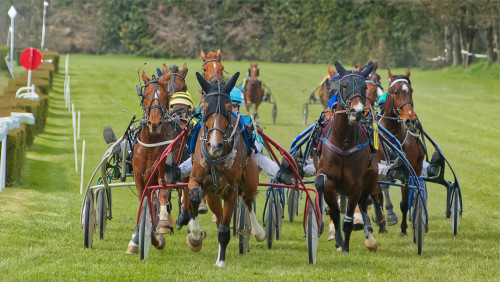
How a Horse’s Build and Stride Reveal Its Preferences
A horse’s physical makeup and running style often determine which surfaces suit it best.
- Light-framed horses with a quick, efficient stride usually excel on firm or fast tracks, where speed and agility matter most.
- Powerful, muscular horses with a longer, deeper stride tend to perform better on softer or wetter tracks, where strength and endurance are key.
- Horses with a low, flat action may struggle in mud, while those with a higher, more elevated stride can handle deeper or softer going more effectively.
Watching replays can help you spot these traits. Notice how a horse moves when the track is dry versus when it’s wet – those patterns often repeat.
Past Performance: The Bettor’s Best Friend
Every horse leaves clues in its race record. Look for patterns in past performances:
- How did the horse run the last time the track was muddy or soft?
- Has it ever won on a fast or firm surface?
- Do its best results come in spring or fall, when conditions are more variable?
Most U.S. racing websites and programs list the track condition for each past race. Use that data to your advantage – it’s one of the most reliable indicators of future performance.
The Jockey’s Role and Tactical Adjustments
Even the best horse can falter if the jockey doesn’t adapt to the surface. On a sloppy dirt track, conserving energy early and making a late move can be crucial. On a fast track, early speed often pays off.
Experienced jockeys know how their mounts handle different conditions and will adjust their strategy accordingly. If you notice a seasoned rider changing tactics on race day, it might be a sign that the track is playing differently than expected.
Weather: The Wild Card
A sudden downpour can turn a “fast” track into a “sloppy” one in minutes. Likewise, a drying breeze can firm up a turf course between races. That’s why serious bettors keep an eye on the weather forecast and track updates right up until post time.
Some players even wait to place their bets until they see how the surface is behaving in earlier races. A horse proven in wet conditions can suddenly become a strong contender when the rain starts falling.
Putting It All Together
When analyzing a race, consider three key factors:
- Current track condition – fast, good, muddy, firm, or soft.
- Horse’s past performance under similar conditions.
- Jockey’s experience with both the horse and the surface.
Combining these insights gives you a more complete picture of how the race might unfold. It’s not about guessing – it’s about reading the clues the sport provides.
A Deeper Understanding Leads to Smarter Bets
Learning to recognize a horse’s preferred track condition takes time and observation, but it’s one of the most rewarding skills in racing. Once you start connecting the dots between surface, stride, and performance, you’ll see the sport in a whole new light.
Next time you’re at the track or watching from home, pay attention to how the horses move and how the surface looks. That awareness could be the difference between a lucky hunch and a well-informed wager.
Læs også: